Blogs
How To Fix a DNS Server Not Responding? Fix It Fast Today
March 27, 2026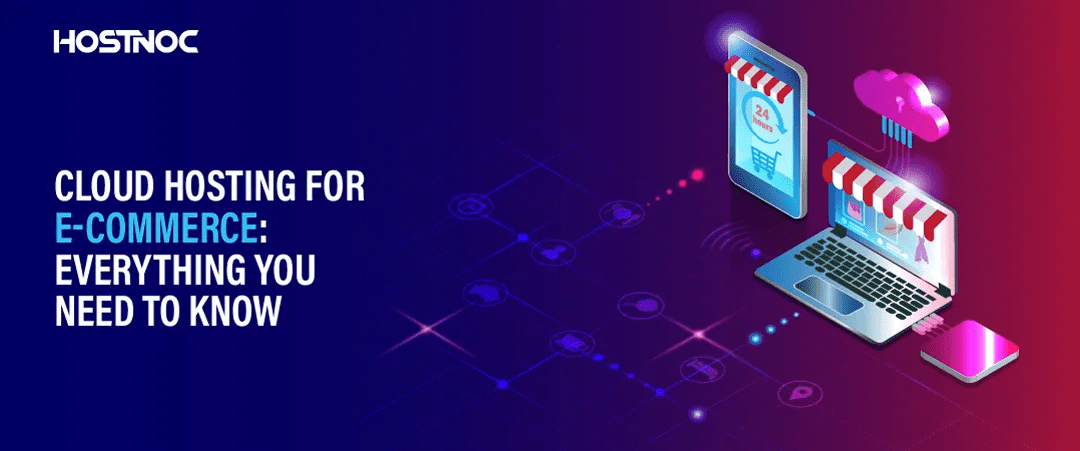
In today’s digital economy, where online shopping continues to grow exponentially, cloud hosting for e-commerce has become a cornerstone of reliable, scalable, and secure online retail operations. Whether you’re launching a small online boutique or managing a global marketplace, understanding cloud hosting and how it benefits e-commerce—is essential for performance, customer satisfaction, and business growth.
This comprehensive guide explores cloud hosting for e-commerce from the ground up: what it is, how it works, why it matters, its benefits and challenges, cost models, best practices, and tips for choosing the right solution.
Table of Contents
- What Is Cloud Hosting?
- Why You Should Get Cloud Hosting For E-commerce
- How Cloud Hosting for E-Commerce Work?
- Cloud Hosting For E-Commerce vs. Traditional Hosting
- Types of Cloud Hosting for E-Commerce
- Key Benefits of Cloud Hosting for E-Commerce
- Cloud Hosting for E-Commerce: Challenges and Considerations
- Cost Models of Cloud Hosting For E-commerce
- Choosing the Right Cloud Hosting Provider
- Cloud Hosting for E-Commerce Best Practices
- Case Studies: Cloud Hosting in Action
- The Future of Cloud Hosting For E-Commerce
- Conclusion
What Is Cloud Hosting?
Cloud hosting is a type of web hosting that uses a network of interconnected virtual and physical servers—collectively referred to as the cloud—to deliver computing resources such as:
- Server infrastructure
- Storage
- Databases
- Networking
- Security services
Unlike traditional hosting (single-server environments), cloud hosting distributes your e-commerce website or application across multiple servers. This means your site isn’t tied to one physical machine, enhancing reliability and performance.
Why You Should Get Cloud Hosting For E-commerce
E-commerce sites operate under unique demands. They must balance fast page loads, secure transactions, dynamic content delivery, and spikes in user traffic (especially during sales, holidays, and promotions). Cloud hosting is tailored to meet these challenges by offering:
1. Scalability
Cloud infrastructure allows automatic scaling of resources. If your store sees sudden traffic surges—such as during Black Friday or a viral promotion—cloud services can instantly allocate additional CPU, memory, and bandwidth.
2. High Availability
By spreading your website across multiple redundant servers, cloud hosting dramatically reduces the risk of downtime. If one server fails, another takes over seamlessly.
3. Performance
Cloud hosting providers often integrate Content Delivery Networks (CDNs), distributed data centers, and caching systems to optimize load times globally—vital for reducing cart abandonment and improving search engine rankings.
4. Security
E-commerce platforms are frequent targets for cyberattacks. Cloud hosting environments offer robust security features such as:
- Firewalls
- DDoS protection
- Encryption
- Secure access controls
- Automated backups
Providers often handle security patching and compliance, freeing merchants to focus on their business.
How Cloud Hosting for E-Commerce Work?
Cloud hosting leverages virtualization and distributed computing. Here’s a simplified overview of the process:
1. Virtualization Layer
Physical servers run multiple virtual machines (VMs) using a hypervisor. Each VM can host parts of your e-commerce stack—like your database, application server, and web server.
2. Load Balancing
Traffic is managed across multiple instances using load balancers, which ensure no single server becomes overwhelmed.
3. Auto-Scaling
Cloud environments monitor performance and automatically scale resources up or down based on real-time demand.
4. Distributed Storage
Instead of storing data on one physical disk, cloud hosting uses distributed storage (like object storage or SSD-backed clusters), improving redundancy and access speed.
Cloud Hosting For E-Commerce vs. Traditional Hosting
| Feature | Traditional Hosting | Cloud Hosting |
| Server Location | Single physical server | Distributed network of servers |
| Scalability | Manual | Automatic |
| Redundancy | Limited | Built-in |
| Performance | Fixed | Elastic based on demand |
| Cost Efficiency | Often lower entry price | Pay-as-you-go |
| Downtime Risk | Higher | Lower |
For e-commerce, cloud hosting usually offers superior performance and reliability, especially for growing businesses.
Types of Cloud Hosting for E-Commerce
Here are four different types of cloud hosting for E-commerce.
1. Public Cloud Hosting
Hosted by third-party providers like Amazon Web Services (AWS), Microsoft Azure, or Google Cloud Platform (GCP). It’s cost-effective and highly scalable.
2. Private Cloud Hosting
Dedicated infrastructure for a single organization. Offers enhanced privacy and control, but at a higher cost.
3. Hybrid Cloud Hosting
Combines public and private clouds. Useful for e-commerce businesses with sensitive data that also need scalability.
4. Managed Cloud Hosting
Providers take care of maintenance tasks like security updates, backups, and performance monitoring. Ideal for merchants who want to outsource technical management.
Key Benefits of Cloud Hosting for E-Commerce
Here are some of the key benefits of cloud hoting for E-Commerce.
Unmatched Scalability
Elastic resources mean your infrastructure expands with demand and contracts during slower periods—optimizing costs.
Strong Security Framework
Cloud platforms include compliance tools (PCI DSS, GDPR) and hardened networks—critical for handling payment card data and customer information.
Improved Customer Experience
Fast load times and consistent uptime contribute to better engagement, higher conversion rates, and improved SEO performance.
Cost Efficiency
With pay-as-you-go pricing, you avoid spending upfront on hardware and only pay for what you use.
Business Continuity
Cloud hosting supports robust backup and disaster recovery plans that protect your store from data loss.
Cloud Hosting for E-Commerce: Challenges and Considerations
While cloud hosting for E-commerce is powerful, it’s not without challenges:
Complexity
Cloud environments require technical knowledge to configure and optimize properly.
Cost Management
Without monitoring, cloud costs can balloon—especially with unpredictable traffic and inefficient resource usage.
Vendor Lock-In
Some cloud services are proprietary. Migrating to another provider can be difficult if systems are tightly integrated (e.g., AWS Lambda vs. alternatives).
Cost Models of Cloud Hosting For E-commerce
Cloud hosting often uses one of the following billing models:
Pay-As-You-Go
You pay only for resources consumed (compute, storage, bandwidth). Ideal for fluctuating traffic.
Reserved Instances
Pre-book capacity for lower long-term rates—great for predictable workloads.
Tiered/Subscription Plans
Fixed monthly pricing with defined resource limits.
Understanding your store’s traffic patterns and resource utilization will help you choose the most cost-effective model.
Choosing the Right Cloud Hosting Provider
Selecting a cloud provider is a strategic decision. Key criteria include:
Reliability & Uptime Guarantees
Look for providers with strong Service Level Agreements (SLAs) and uptime history.
Performance
Providers with global data centers and CDNs ensure faster delivery of content to customers worldwide.
Security Standards
Ensure compliance with industry regulations (e.g., PCI DSS, ISO 27001) and advanced protections like Web Application Firewalls (WAF).
Support & Managed Services
24/7 support and optional managed services are crucial if you lack in-house DevOps expertise.
Costs & Transparency
Clear pricing and tools for monitoring usage help prevent billing surprises.
Cloud Hosting for E-Commerce Best Practices
Here are recommended strategies to maximize your cloud hosting investment:
🔹 Implement Auto-Scaling and Load Balancing
Ensure your environment can respond automatically to traffic surges.
🔹 Use a CDN
Deliver static assets (images, CSS, JS) faster with a distributed CDN.
🔹 Regular Backups
Automate backups and test restore processes periodically.
🔹 Monitor Performance Metrics
Track uptime, response times, error rates, and customer behavior to optimize infrastructure.
🔹 Secure Your Environment
Apply strong access controls, encryption in transit and at rest, and regular vulnerability scanning.
Case Studies: Cloud Hosting in Action
Large Retailers
Global brands use cloud hosting to support millions of visitors during peak seasons without downtime.
Small Businesses
Startups use managed cloud platforms to launch quickly and scale without heavy infrastructure investment.
Omni-Channel Stores
Retailers syncing online and in-store systems benefit from cloud flexibility and real-time data processing.
The Future of Cloud Hosting For E-Commerce
The cloud landscape continues evolving with technologies such as:
- Edge computing – Brings processing closer to users for ultra-fast performance.
- Serverless architecture – Reduces infrastructure management and improves scalability.
- AI/ML services – Power personalized shopping experiences and smarter inventory forecasting.
Cloud hosting will remain central to e-commerce innovation, enabling retailers to adapt, compete, and thrive in a dynamic digital ecosystem.
Conclusion
Cloud hosting for e-commerce is more than just a hosting solution: it’s a strategic platform that empowers online retailers to scale, secure, and optimize their digital storefronts. By understanding how cloud environments work and applying best practices, merchants can deliver exceptional customer experiences, reduce operational risks, and support long-term business growth.
Whether you’re launching your first store or upgrading a mature online business, adopting a cloud hosting model tailored to your goals can transform how you operate and compete in the global marketplace.

Featured Post
Multicloud: Everything You Need To Know
Multicloud refers to the use of cloud services from more than one provider—whether SaaS, PaaS, or IaaS—across distinct vendors like AWS, Azure, GCP, or specialist clouds. […]

Sarmad Hasan
March 9, 2026
Cloud for Media: Everything You Need To Know
Cloud for Media refers to the use of cloud computing platforms, services, and architectures purpose-built to support the end-to-end lifecycle of media and entertainment (M&E) content—from […]
Sarmad Hasan
February 27, 2026

Top 10 Cloud Trends You Can’t Afford to Ignore in 2026
The cloud computing landscape is rapidly evolving, and by 2026, businesses, organizations, and individuals will be deeply intertwined with advanced cloud solutions. From hybrid architectures to […]
Sarmad Hasan
September 23, 2025