Blogs
cPanel vs Plesk: Which Hosting Control Panel Should You Choose?
May 11, 2026
Server Clustering: The Complete Guide to High Availability Infrastructure
May 15, 2026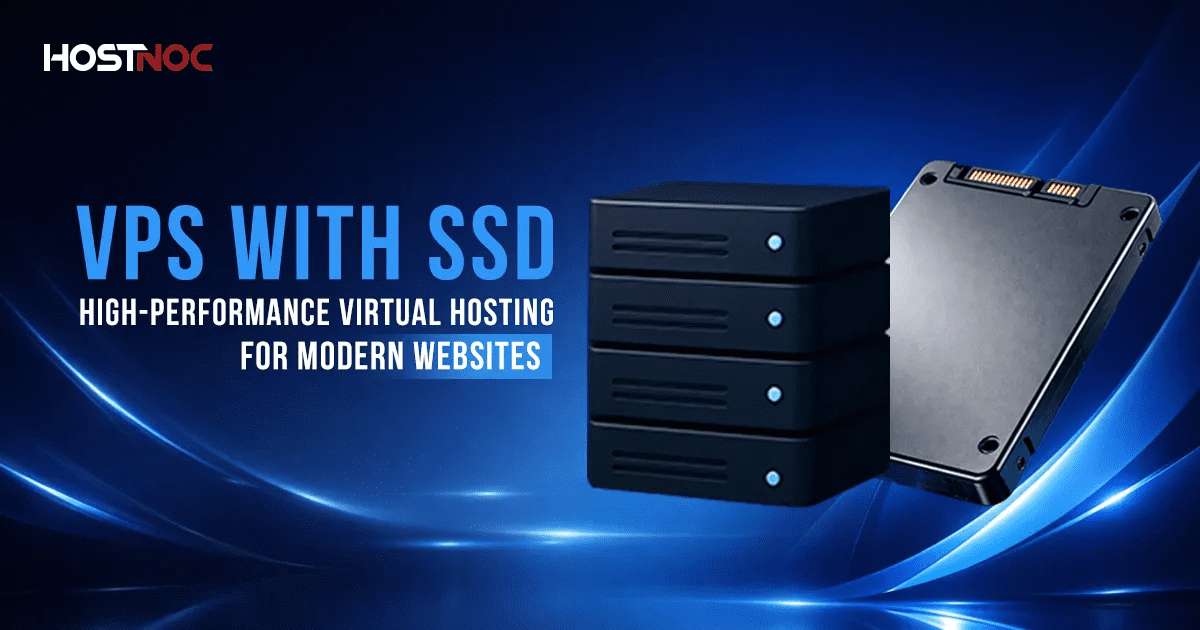
Website speed, uptime, and scalability are critical factors for success. Businesses, developers, and digital entrepreneurs increasingly rely on VPS with SSD storage to achieve superior performance compared to traditional shared hosting environments. A VPS with SSD storage combines the flexibility of virtualization with the speed of modern storage technology, creating a hosting solution capable of handling demanding applications, growing traffic, and resource-intensive workloads.
This article explores what a VPS with SSD is, how it works, its benefits, and why it has become the preferred hosting choice for many websites and applications.
What is a VPS with an SSD?
A Virtual Private Server (VPS) is a virtualized hosting environment created using a hypervisor that divides a physical server into multiple independent virtual servers. Each VPS operates with its own operating system, dedicated resources (CPU, RAM, and storage), and root access.
When a VPS uses Solid-State Drive (SSD) storage instead of traditional Hard Disk Drives (HDD), the server benefits from significantly faster data access speeds, improved reliability, and better performance for database-driven applications.
Unlike shared hosting, where resources are distributed among many users, a VPS provides isolated resources, ensuring that other users cannot affect your server performance.
The Technology Behind VPS Hosting
Virtualization technology powers VPS hosting. Popular hypervisors include:
- KVM
- VMware
- Xen
- Microsoft Hyper-V
These hypervisors allocate system resources to each virtual machine, enabling multiple VPS instances to run securely on a single physical server.
The server operating systems commonly used include:
- Ubuntu
- CentOS
- Debian
- Windows Server
This flexibility allows developers to configure environments optimized for their applications.
SSD vs HDD in VPS Hosting
Traditional servers rely on Hard Disk Drives (HDDs), which store data on spinning magnetic disks. SSDs use flash memory, eliminating moving parts and significantly increasing read/write speeds.
Key advantages of SSD over HDD include:
1. Faster Data Access
SSD drives can deliver up to 20x faster read/write speeds than HDDs. This dramatically improves:
- Website loading time
- Database queries
- File transfers
- Application response time
For example, platforms like WordPress and Magento benefit greatly from SSD-powered servers because they rely heavily on database queries.
2. Improved Reliability
Since SSDs have no mechanical components, they are less prone to hardware failure compared to HDDs. This results in better server stability and reduced downtime.
3. Lower Latency
SSDs significantly reduce latency, enabling faster server responses for dynamic applications, APIs, and high-traffic websites.
4. Energy Efficiency
SSD storage consumes less power and produces less heat, making data centers more energy efficient.
Key Benefits of VPS with SSD
Superior Website Performance
Website speed directly affects user experience and SEO rankings. Search engines such as Google consider page speed a ranking factor.
SSD-powered VPS hosting ensures:
- Faster page rendering
- Lower bounce rates
- Better user engagement
This is especially important for businesses running high-traffic sites or e-commerce stores.
Dedicated Resources
Unlike shared hosting, VPS environments allocate dedicated resources, including:
- CPU cores
- RAM
- SSD storage
- bandwidth
This ensures consistent performance even when other servers on the same physical machine experience high usage.
Scalability for Growing Websites
As websites grow, their hosting requirements increase. VPS hosting allows users to easily scale resources without migrating to a new server.
Many hosting providers allow upgrades such as:
- increasing RAM
- Adding SSD storage
- upgrading CPU cores
This flexibility makes VPS hosting ideal for startups and growing online businesses.
Root Access and Customization
A major advantage of VPS hosting is root access, which allows administrators to install and configure software freely.
Developers can deploy:
- custom web servers
- specialized security tools
- container platforms like Docker
- orchestration systems such as Kubernetes
This level of control is essential for developers building complex applications.
Enhanced Security
Because each VPS environment is isolated, it offers stronger security than shared hosting. If one virtual server is compromised, others remain unaffected.
Additional security measures often include:
- firewalls
- DDoS protection
- SSL certificates
- automated backups
These features help protect sensitive data and maintain uptime.
Use Cases for VPS with SSD
A VPS with SSD storage is suitable for a wide range of applications.
High-Traffic Websites
Content-heavy websites, blogs, and news portals require fast data access to serve thousands of users simultaneously. SSD VPS servers help maintain consistent performance.
E-Commerce Platforms
Online stores using platforms such as WooCommerce or PrestaShop rely on fast database operations to process orders and manage inventory.
SSD VPS hosting ensures smoother checkout processes and a better customer experience.
Web Application Hosting
Modern web applications built using frameworks like:
- Laravel
- Node.js
- Django
Require reliable server performance. VPS environments allow developers to configure optimized environments for these frameworks.
Game Servers
Many developers host multiplayer game servers on VPS platforms due to their low latency and dedicated resources.
Development and Testing Environments
Developers frequently use VPS servers to create staging environments for testing software before deployment.
Managed vs Unmanaged SSD VPS
Hosting providers typically offer two types of VPS hosting.
Managed VPS
In managed VPS hosting, the provider handles:
- server maintenance
- security updates
- monitoring
- backups
This option is ideal for businesses without in-house server administrators.
Unmanaged VPS
With unmanaged VPS hosting, users are responsible for:
- server configuration
- software installation
- security management
Developers and system administrators often prefer this option for maximum control.
Choosing the Right SSD VPS Provider
When selecting a VPS hosting provider, consider several important factors:
- SSD storage type (NVMe SSD offers even faster speeds)
- uptime guarantee (preferably 99.9% or higher)
- scalability options
- data center locations
- security features
- customer support
Well-known hosting providers include companies like DigitalOcean, Linode, and Vultr, which offer high-performance SSD-based VPS services.

Future of VPS Hosting with SSD
The hosting industry continues to evolve as storage technologies advance. Many providers are now upgrading from traditional SSDs to NVME SSDs, which provide even faster data transfer speeds and lower latency.
Cloud computing platforms are also integrating VPS-style infrastructure into scalable environments, allowing developers to deploy applications globally with minimal configuration.
As web applications become more complex and data-driven, VPS with SSD will remain a cornerstone of high-performance web infrastructure.
Conclusion
A VPS with SSD storage represents one of the most effective hosting solutions for modern websites and applications. By combining the flexibility of virtualization with the speed of flash storage, SSD VPS servers deliver superior performance, improved reliability, and greater scalability than traditional hosting environments.
Whether hosting a high-traffic blog, an e-commerce store, or a custom web application, a VPS with SSD provides the power and control necessary to meet the demands of today’s fast-paced digital ecosystem. Businesses and developers who invest in this technology benefit from faster websites, improved security, and the ability to scale seamlessly as their online presence grows.

Featured Post
VPS Server with Dynamic IP: A Deep Dive
Key Takeaways A VPS server with a dynamic IP is ideal for automation, scraping, testing, and rotating network identities without the cost of dedicated static IP […]

Sarmad Hasan
June 24, 2026
VPS for Finance: A Comprehensive Guide
Technology plays a crucial role in enhancing the speed, security, and reliability of trading systems. One of the most important tools for traders, analysts, and financial […]
Sarmad Hasan
February 4, 2026

VPS for Gaming: The Ultimate Guide
Lag, random crashes, and strict limits from shared hosting can quickly ruin an online gaming session, especially when you’re trying to host a private server or […]
Sarmad Hasan
January 19, 2026