Blogs
on
Centralized Cloud Security: The Ultimate Guide
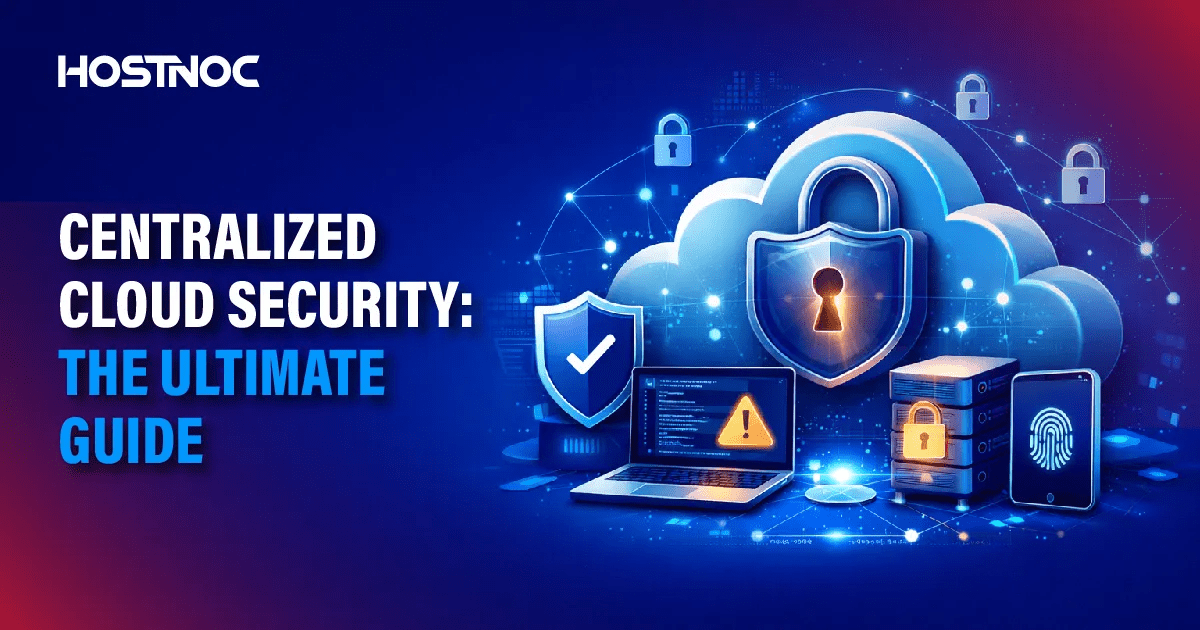
The paradigm shift brought about by cloud computing has not only transformed business operations but has also ushered in unparalleled flexibility, scalability, and cost-efficiency. Yet, the undeniable advantages of the cloud are accompanied by a set of intricate security challenges. Addressing these concerns head-on, a strategy gaining considerable ground is the adoption of centralized cloud security.
In this article, you will learn everything you need to know about centralized cloud security.
The paradigm shift brought about by cloud computing has not only transformed business operations but has also ushered in unparalleled flexibility, scalability, and cost-efficiency. Yet, the undeniable advantages of the cloud are accompanied by a set of intricate security challenges. Addressing these concerns head-on, a strategy gaining considerable ground is the adoption of centralized cloud security.
In this article, you will learn everything you need to know about centralized cloud security.
What is Centralized Cloud Security?
Centralized cloud security is a strategic practice that entails amalgamating security protocols, controls, and monitoring mechanisms within a unified framework across a company’s cloud infrastructure. Departing from the traditional approach of implementing security measures in isolation for each cloud service or application, a centralized strategy empowers organizations to administer security from a singular vantage point. This streamlines operations, bolstering the overall security posture.
How Does Centralized Cloud Security Work?
The Centralized Management Hub
Imagine a powerful platform that manages security in the cloud. This platform is like a haven where security rules are created and organized for different parts of the cloud. It can come from the company that provides the cloud service or from outside experts in security.
Keeping Things Safe for Users
To start protecting the cloud, we first focus on how people get in. We use strong ways to check if users are who they say they are. This could involve using more than one way to prove it’s really them, like a password and a special code. We also make it easy for them to access everything they need with just one login. We control who can do what by making lists of permissions and roles, like who can edit and who can only view.
Keeping Secrets Safe
Now, think of encryption as a magical shield that keeps important information safe. It protects data when it’s not being used, when it’s moving from one place to another, and even when it’s being used. With centralized security, all the different ways of keeping things secret work together, and we make sure the keys that unlock this magic are well protected.
Guarding the Digital Roads
In the digital world, where people connect to the cloud, we set up strong defenses. Firewalls act like protective walls, intrusion detection and prevention systems watch for any suspicious activities, and virtual private networks create secure pathways for data. All these guards work together under the centralized system to spot and stop threats.
Watching for Trouble
In this dance of cloud security, monitoring tools act like vigilant guards. They use clever ways to find any strange behavior, unusual things happening, or places where the security might be weak. The centralized security system keeps an eye out for potential problems using smart technology like machine learning.
In the complex task of keeping the cloud safe, rules and controls work together to create a strong defense. With a central command center leading the way, this story is all about always being watchful. Encryption, user access control, and monitoring work together to protect against digital problems.
Why Centralized Cloud Security Is Important?
Within the realm of cloud security, complexities have burgeoned exponentially owing to the proliferation of cloud services, diverse platforms, and a multitude of vendors. Conventional decentralized security models often expose fissures, inconsistencies, and inefficiencies that render the task of safeguarding the entire cloud ecosystem a formidable challenge.
Centralized cloud security emerges as the antidote to these issues, proffering a panoramic outlook of the organizational cloud landscape. It enables the adept management of security protocols, compliance requisites, and responses to potential incidents.
What are the Benefits of Centralized Cloud Security?
Harmonized Uniformity:
The bedrock of centralized cloud security lies in promoting uniform security policies and controls across a tapestry of cloud services. This, in turn, curbs the menace of misconfigurations or vulnerabilities, ushering in a new era of robust security.
Efficiency:
Managing security measures from a central point simplifies the process of implementing updates, patches, and security configurations. This results in better resource utilization and reduced operational overhead.
Compliance:
Centralized cloud security facilitates compliance with industry standards and regulations. Organizations can enforce consistent security controls to meet various compliance requirements without duplicating efforts.
Incident Response:
In the event of a security breach, centralized security systems expedite incident response by providing a unified platform to monitor, detect, and mitigate threats promptly.
Visibility:
By aggregating security data from multiple sources, centralized security platforms offer enhanced visibility into the organization’s cloud activities. This allows security teams to identify potential threats, anomalous behavior, and unauthorized access more effectively.
Consistency:
Centralized cloud security promotes consistent security policies and controls across various cloud services.

What are the Challenges of Centralized Cloud Security?
Here are some of the challenges you will face when implementing centralized cloud security.
Complex Implementation:
Transitioning to a centralized security model can be complex and time-consuming, particularly for organizations with existing decentralized security architectures.
Dependency:
Relying heavily on a single security platform creates a single point of failure. A compromise in the centralized security system could potentially lead to severe consequences.
Integration Challenges:
Integrating various cloud services, platforms, and vendors into a centralized framework can be challenging due to differences in architecture and compatibility issues.
Scalability:
Ensuring that a centralized security model scales effectively as the organization’s cloud footprint expands is a significant consideration.
What are the Key Considerations for Implementing Centralized Cloud Security?
Here are some of the key factors you should take into account when implementing centralized cloud security.
Vendor Evaluation:
Selecting the right security vendor or solution is crucial. It should align with the organization’s cloud strategy, requirements, and offer the necessary features for centralized management.
Data Privacy:
Ensure that the chosen solution complies with data privacy regulations and safeguards sensitive information appropriately.
User Access Management:
Implement robust identity and access management to control user access across the centralized security platform.
Continuous Monitoring:
Regularly monitor the centralized security system to identify vulnerabilities, potential threats, and anomalies.
Backup and Redundancy:
Plan for backup and redundancy measures to mitigate risks associated with a single point of failure.
Embracing Centralized Cloud Security: A Cogent Shift in Approach
The digital future demands a strategic overhaul, especially in the realm of cloud security. “Centralized cloud security is now a must-have”. Adopting a centralized approach is no longer a mere consideration but a prerequisite for modern businesses. The intrinsic value of streamlined security protocols, unified compliance management, and bolstered threat identification underscores the imperative nature of this paradigm shift. As cloud landscapes continue to evolve, businesses that champion centralized cloud security stand to reap the rewards of a fortified digital defense framework.
Conclusion
Centralized cloud security has emerged as a necessary approach to effectively manage and secure the dynamic cloud environments that organizations rely on. It offers consistency, visibility, and efficiency, addressing the challenges posed by decentralized security models.
While there are implementation challenges and considerations, the benefits of centralized cloud security make it a must-have for modern enterprises. As the cloud landscape continues to evolve, adopting a proactive and unified security approach is essential to safeguard digital assets and maintain business continuity.
Did this article help you in understanding centralized cloud security, its importance and pros and cons? Share it with us in the comments section below.

Featured Post
How to Ensure HIPAA and GDPR Compliance in a Cloud Environment?
As organizations increasingly migrate sensitive data to the cloud, regulatory compliance has...

Sarmad Hasan
May 29, 2026
Why Are Cloud Outages Becoming Normal?
Cloud outages have surged due to growing system complexity and heavy reliance...
Sarmad Hasan
April 29, 2026
7 Ways To Keep Cloud Costs Under Control
Public cloud spending is skyrocketing, rising 20% from $561 billion in 2023...
Sarmad Hasan
February 20, 2026