Blogs
on
Cloud for Healthcare: Everything You Need to Know
Cloud computing is transforming industries worldwide, but its impact on healthcare is particularly profound. From improving patient outcomes to enabling cutting-edge research, “cloud for healthcare” is rapidly becoming a cornerstone of modern medical systems. This article explores everything you need to know about cloud computing in healthcare, what it is, how it works, its benefits, challenges, use cases, and future trends.
Key Takeaways
- Cloud computing in healthcare enables hospitals, clinics, and healthcare providers to store, manage, and access medical data through internet-based servers, improving efficiency and accessibility.
- Key benefits include improved data accessibility, lower IT costs, enhanced collaboration, scalability, stronger security, reliable disaster recovery, and better patient experiences.
- Major healthcare applications of cloud computing include Electronic Health Records (EHRs), telemedicine, medical imaging, AI-powered diagnostics, remote patient monitoring, and medical research.
- Cloud platforms support innovation by enabling advanced analytics, artificial intelligence, wearable device integration, and personalized medicine, leading to faster and more accurate healthcare decisions.
- Challenges remain, including data privacy concerns, regulatory compliance requirements, legacy system integration, internet dependency, and the need for skilled cloud professionals.
- The future of healthcare cloud adoption is driven by AI, automation, telehealth expansion, IoT devices, blockchain security, and predictive analytics, helping create more efficient, patient-centric healthcare systems.
What Is Cloud Computing in Healthcare?
Cloud computing in healthcare refers to the use of remote servers (hosted on the internet) to store, manage, and process medical data instead of relying on local servers or personal computers. Healthcare providers, including hospitals, clinics, laboratories, and research institutions, use cloud platforms to access patient information, run applications, and collaborate in real time.
Unlike traditional IT systems, cloud-based healthcare solutions are scalable, flexible, and accessible from anywhere. This is particularly valuable in a field where timely access to data can save lives.
Cloud For Healthcare: Why Does It Matter?
Healthcare systems generate enormous amounts of data every day, including patient records, imaging files (X-rays, MRIs), lab results, prescriptions, and more. Managing this data efficiently is critical.
Cloud computing addresses this need by offering:
- Centralized data storage
- Real-time access to patient information
- Integration across departments and systems
- Advanced analytics capabilities
For example, cloud platforms allow doctors to access a patient’s medical history instantly, regardless of location, improving diagnosis and treatment decisions.
Cloud for Healthcare: Key Benefits
1. Improved Data Storage and Accessibility
Cloud systems provide virtually unlimited storage for healthcare data. Medical professionals can securely access patient records anytime, from anywhere, enabling faster and more accurate care.
2. Cost Efficiency
Healthcare organizations can significantly reduce IT costs by eliminating the need for expensive hardware and maintenance. Studies suggest organizations can save around 15% on IT expenses by moving to the cloud. Effective cloud cost management helps healthcare organizations maximize the value of their cloud investments.
3. Enhanced Collaboration
Cloud platforms enable seamless collaboration among doctors, nurses, and specialists. Multiple providers can view and update patient records simultaneously, improving coordination and reducing errors.
4. Scalability and Flexibility
Cloud infrastructure allows healthcare providers to scale resources up or down depending on demand. This is particularly useful during emergencies or pandemics when patient loads increase rapidly.
5. Data Security and Compliance
Modern cloud providers offer advanced security features such as encryption, access controls, and regular audits. They also help organizations comply with healthcare regulations like HIPAA and similar standards worldwide.
6. Disaster Recovery and Reliability
Cloud systems provide automated backups and quick recovery options, ensuring that critical patient data is not lost during system failures or disasters.
7. Better Patient Experience
Patients benefit from cloud-based portals where they can access test results, schedule appointments, and communicate with doctors. This improves engagement and satisfaction.

Cloud For Healthcare Use Cases
1. Electronic Health Records (EHRs)
Cloud-based EHR systems allow healthcare providers to store and access patient records securely. This eliminates data silos and ensures continuity of care across different providers.
2. Telemedicine and Remote Care
Cloud computing powers telehealth platforms, enabling virtual consultations, remote monitoring, and digital prescriptions. This is especially beneficial in rural or underserved areas.
3. Medical Imaging and Diagnostics
Large imaging files (such as MRIs and CT scans) can be stored and analyzed in the cloud, allowing specialists to access them from anywhere and collaborate on diagnoses.
4. Healthcare Analytics and AI
Cloud platforms enable advanced analytics and artificial intelligence (AI), helping providers identify patterns, predict diseases, and personalize treatments.
For example:
- Predictive analytics for early disease detection
- AI-driven diagnostics
- Population health management
5. Remote Patient Monitoring
Wearable devices and IoT sensors collect patient data (heart rate, glucose levels, etc.) and send it to the cloud, allowing doctors to monitor patients in real time and intervene when necessary.
6. Research and Drug Development
Cloud computing accelerates medical research by enabling global collaboration and real-time data analysis. Researchers can process large datasets, such as genomic information, more efficiently.

Cloud For Healthcare: Key Challenges
Despite its benefits, cloud computing in healthcare comes with challenges:
1. Data Privacy Concerns
Healthcare data is highly sensitive. Any breach can lead to serious consequences, including identity theft and legal issues. Ensuring robust security measures is essential.
2. Regulatory Compliance
Different countries have strict healthcare data regulations. Organizations must ensure compliance with these laws when using cloud services.
3. Integration with Legacy Systems
Many healthcare providers still use outdated systems. Integrating these with modern cloud platforms can be complex and costly.
4. Downtime and Connectivity Issues
Cloud systems depend on internet connectivity. Any disruption can affect access to critical data.
5. Skill Gaps
Implementing and managing cloud solutions requires skilled IT professionals, who may be lacking in some healthcare organizations.
Cloud For Healthcare: Key Cloud Types
1. Public Cloud
Services are provided over the internet by third-party providers. This is cost-effective and scalable but may raise security concerns.
2. Private Cloud
Dedicated cloud infrastructure for a single organization. Offers greater control and security but is more expensive.
3. Hybrid Cloud
Combines public and private clouds, allowing sensitive data to be stored securely while leveraging public cloud benefits for other operations.

Cloud For Healthcare: Real-World Examples
- Large healthcare systems use cloud platforms to manage patient data and improve interoperability.
- Hospitals leverage cloud-based analytics to predict patient outcomes and optimize treatments.
- Telemedicine platforms rely on cloud infrastructure to deliver remote care services globally.
For instance, organizations like Mayo Clinic and Mount Sinai have used cloud solutions to enhance data management and collaboration.
Cloud For Healthcare: Emerging Trends
1. Artificial Intelligence Integration
AI-powered tools are being integrated into cloud platforms to automate administrative tasks and assist in clinical decision-making.
Recent developments include AI assistants that help doctors with documentation and patient interactions, reducing administrative workload and improving efficiency.
2. Automation in Healthcare Operations
Cloud-based platforms are increasingly automating processes such as appointment scheduling, billing, and medical coding, improving efficiency and reducing errors.
3. Edge and Fog Computing
To reduce latency, healthcare systems are combining cloud with edge computing, enabling faster data processing for real-time applications like remote monitoring.
4. Blockchain for Data Security
Blockchain technology is being explored to enhance data security and ensure the secure sharing of medical records.
5. Personalized Medicine
Cloud platforms enable the analysis of large datasets, allowing healthcare providers to deliver highly personalized treatments based on individual patient data.
Future of Cloud For Healthcare
The future of cloud computing in healthcare looks promising. As technology advances, we can expect:
- Greater adoption of AI and machine learning
- More secure and compliant cloud solutions
- Expansion of telehealth services
- Increased use of wearable devices and IoT
- Faster and more accurate diagnostics
Cloud computing will continue to play a crucial role in making healthcare more accessible, efficient, and patient-centric.
Conclusion
Cloud computing is revolutionizing the healthcare industry by improving data accessibility, enhancing collaboration, reducing costs, and enabling innovation. From electronic health records to AI-driven diagnostics, cloud technology is reshaping how healthcare is delivered.
However, challenges such as data security, compliance, and system integration must be carefully managed. With the right strategies and technologies, cloud computing has the potential to transform healthcare systems worldwide, making them more efficient, responsive, and capable of delivering better patient outcomes.

Featured Post
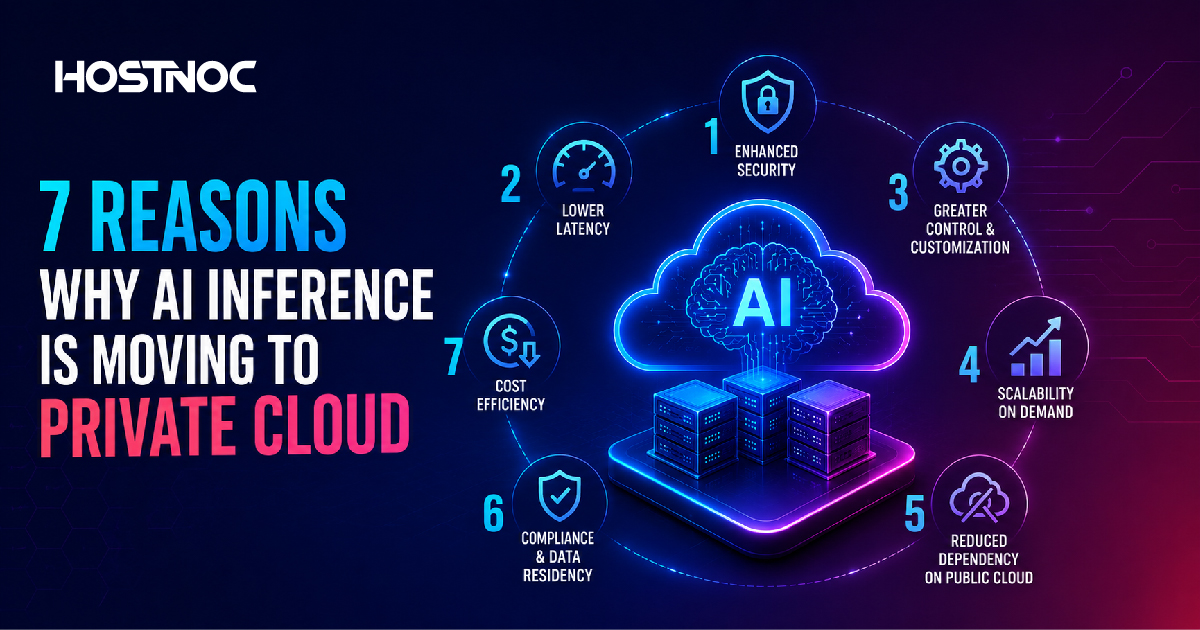
7 Reasons Why AI Inference Is Moving to Private Cloud
Enterprises are moving beyond AI experimentation and into large-scale production deployments, a...

Sarmad Hasan
July 20, 2026
Cloud for Finance: Everything You Need To Know
Key Takeaways Cloud for finance refers to both cloud-based financial systems and...
Sarmad Hasan
July 6, 2026
Cloud for Startup: A Comprehensive Guide
Key Takeaways Cloud computing enables startups to scale rapidly without heavy upfront...
Sarmad Hasan
June 12, 2026