Blogs
Key Takeaways
- Cloud computing enables startups to scale rapidly without heavy upfront infrastructure costs.
- Major providers like Amazon Web Services, Microsoft Azure, and Google Cloud Platform offer flexible pricing and global reach.
- Startups can leverage services like serverless computing, managed databases, and AI tools to accelerate product development.
- Security, cost management, and architecture planning are critical to long-term success in the cloud.
- Choosing the right cloud strategy early can directly impact scalability, investor confidence, and time-to-market.
Startups often struggle with limited budgets, unpredictable demand, and the need to innovate quickly. Building and maintaining physical infrastructure slows growth and drains resources that could otherwise fuel product development.
This creates a serious problem: how do you scale efficiently without overspending or compromising performance? Traditional IT setups simply cannot keep up with the speed startups require.
Cloud for startups solves this by offering on-demand resources, global infrastructure, and pay-as-you-go pricing. With the cloud, startups can focus on building products while leveraging enterprise-grade technology from day one.
What “Cloud for Startup” Really Means?
Cloud for startups refers to using remote computing resources, such as servers, storage, databases, and software, delivered over the internet instead of owning physical hardware. This model allows startups to operate lean while still accessing powerful infrastructure.
Platforms like Amazon Web Services and Google Cloud Platform provide ready-to-use services that eliminate the need for in-house data centers. This drastically reduces operational complexity and speeds up deployment cycles.
Instead of investing months into setup, startups can launch applications within hours. This agility is often the difference between capturing market share early and falling behind competitors.
Why Cloud is Essential for Startups
Cloud computing aligns perfectly with the unpredictable nature of startups. Early-stage companies rarely know how fast they will grow or how much traffic they will receive. Cloud platforms allow dynamic scaling based on real-time demand.
For example, a startup experiencing a sudden surge in users can automatically scale resources without downtime. This elasticity ensures performance stability while avoiding unnecessary costs during low usage periods.
Additionally, cloud services reduce the need for large DevOps teams, allowing startups to operate efficiently with smaller technical staff.
Core Cloud Services Startups Should Use
Infrastructure as a Service (IaaS)
IaaS provides virtual machines, networking, and storage. Services like Microsoft Azure Virtual Machines enable startups to run applications without managing physical servers.
This is ideal for startups needing full control over their environment while still benefiting from cloud scalability. It also allows easy migration from traditional systems.
Platform as a Service (PaaS)
PaaS solutions simplify development by handling infrastructure, runtime, and scaling automatically. Tools like Heroku allow developers to focus purely on code.
Startups can deploy applications quickly without worrying about server management. This reduces time-to-market and improves development efficiency.
Software as a Service (SaaS)
SaaS tools provide ready-made applications accessible via the internet. Platforms like Slack and Notion help startups manage communication and workflows.
These tools eliminate the need for custom-built solutions, saving both time and development costs.
Cloud for Startups: Cost Advantages
Cloud computing operates on a pay-as-you-go model, which is ideal for startups with limited capital. Instead of investing heavily up front, startups only pay for the resources they actually use.
Many providers, including Amazon Web Services, offer startup credits and free tiers. These incentives allow early-stage companies to experiment and build products without financial strain.
However, cost optimization is essential. Poor resource management can lead to unexpected expenses, especially as usage scales.
Scalability and Performance Benefits
One of the biggest advantages of cloud computing is its ability to scale instantly. Startups can expand infrastructure globally without building new data centers.
Cloud providers maintain data centers across multiple regions, ensuring low latency and high availability. This is crucial for startups targeting international markets from day one.
Performance optimization tools, such as load balancers and content delivery networks, further enhance user experience.
Security and Compliance Considerations
Security is often a concern for startups adopting the cloud. However, major providers like Google Cloud Platform invest heavily in security infrastructure and compliance certifications.
Startups benefit from enterprise-level protection, including encryption, identity management, and threat detection. This level of security would be costly to implement independently.
That said, startups must still configure security settings properly. Misconfigured cloud environments remain one of the biggest risks.
Cloud for Startups: Architecture Best Practices
Startups should adopt a modular and scalable architecture from the beginning. Microservices and serverless computing allow applications to grow without major redesigns.
Serverless platforms like Amazon Web Services Lambda enable startups to run code without managing servers. This reduces operational overhead and improves scalability.
It is also important to design for failure by implementing redundancy and automated backups. This ensures business continuity even during outages.
Cloud for Startups: Common Challenges and How to Overcome Them
Cloud for startups offers many benefits, but it also introduces challenges. Cost overruns, vendor lock-in, and complexity can hinder growth if not managed properly.
Startups should monitor usage closely and use cost management tools provided by platforms like Microsoft Azure. Multi-cloud strategies can help reduce dependency on a single provider.
Proper documentation and team training are equally important to ensure efficient cloud operations.
Future of Cloud for Startups
The future of cloud for startups is driven by emerging technologies like AI, machine learning, and edge computing. Platforms such as Google Cloud Platform are integrating advanced AI tools directly into their ecosystems.
Startups can leverage these capabilities to build intelligent applications without developing complex models from scratch. This accelerates innovation and opens new business opportunities.
As cloud technology evolves, startups that adopt it early will have a significant competitive advantage.
Conclusion
Cloud for startups is a foundational component of modern business strategy. It enables rapid scaling, reduces costs, and provides access to advanced technologies that were once limited to large enterprises.
By leveraging platforms like Amazon Web Services, Microsoft Azure, and Google Cloud Platform, startups can build, launch, and grow faster than ever before.
The key lies in choosing the right services, managing costs effectively, and designing scalable architectures from the start.

Featured Post
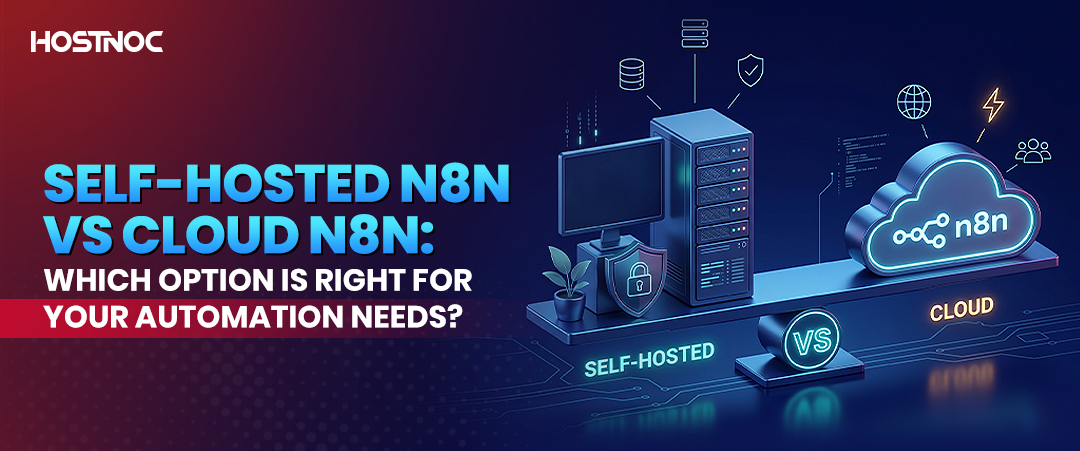
Self-Hosted n8n vs Cloud n8n: Which Option Is Right for Your Automation Needs?
Self-hosted vs cloud n8n is a decision every growing business eventually has...

Faizan Irfan
August 7, 2026
7 Reasons Why AI Inference Is Moving to Private Cloud
Enterprises are moving beyond AI experimentation and into large-scale production deployments, a...

Sarmad Hasan
July 20, 2026
Cloud for Finance: Everything You Need To Know
Key Takeaways Cloud for finance refers to both cloud-based financial systems and...
Sarmad Hasan
July 6, 2026