Blogs
on
Windows VPS Hosting vs Linux VPS Hosting: A Detailed Comparison
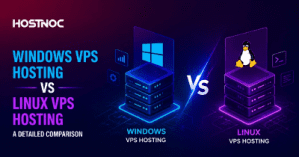
Choosing between Windows and Linux VPS hosting isn’t just a technical decision; it directly impacts your application performance, security posture, and long-term costs. Many businesses struggle when their hosting environment doesn’t align with their software stack, leading to compatibility issues, inefficiencies, and unexpected expenses.
Imagine deploying a mission-critical application only to realize your server environment doesn’t support key frameworks like ASP.NET Core or lacks native compatibility with your automation scripts. Or worse, you’re paying licensing fees for features you don’t even use. These missteps can slow development cycles, increase downtime risks, and drain budgets.
Understanding the fundamental differences between Windows VPS hosting and Linux VPS hosting allows you to make a precise, workload-driven decision. This guide breaks down both options with real-world specificity, covering performance, ecosystems, use cases, and cost structures.
Key Takeaways
- VPS hosting provides dedicated resources and full server control, offering better performance, customization, and security than shared hosting.
- Windows VPS is best for Microsoft-based environments, including ASP.NET applications, Microsoft SQL Server, Active Directory, and other Windows-dependent workloads.
- Linux VPS is the preferred choice for modern web hosting, supporting WordPress, PHP, Node.js, Python, and popular LAMP/LEMP technology stacks.
- Linux VPS is generally more cost-effective and resource-efficient because it is open-source and does not require expensive licensing fees.
- Windows VPS offers easier GUI-based management, while Linux VPS provides greater flexibility, performance optimization, and DevOps-friendly workflows.
- The right VPS depends on your application requirements. Choose Windows for Microsoft ecosystem compatibility and Linux for scalability, performance, and overall value.
What is VPS Hosting?
A Virtual Private Server (VPS) is a virtualized environment created using hypervisors like KVM or VMware ESXi. It provides dedicated resources (CPU, RAM, storage) within a shared physical server.
Unlike shared hosting, VPS gives you root or administrator access, allowing full control over configurations, installed software, and server behavior.

Windows VPS Hosting vs Linux VPS Hosting
Windows VPS Hosting: Deep Dive
Windows VPS hosting runs on operating systems like Microsoft Windows Server 2022, designed specifically for enterprise workloads.
Key Strengths
- Native Microsoft Ecosystem Integration
Windows VPS is essential if your stack relies on:
- Microsoft SQL Server
- Internet Information Services
- Active Directory
These tools are tightly integrated, offering seamless authentication, database connectivity, and enterprise-grade management.
- Support for .NET Applications
Applications built on ASP.NET or modern .NET stacks run optimally in Windows environments. While .NET Core is cross-platform, full framework compatibility still favors Windows. - GUI-Based Management
Windows servers provide a graphical interface (GUI), making them easier for users unfamiliar with command-line environments. Tools like Remote Desktop Protocol (RDP) simplify administration. - Enterprise Use Cases
Windows VPS is ideal for:
- ERP systems using the Microsoft stack
- Enterprise intranet applications
- Legacy business software requiring Windows APIs
Limitations
Licensing Costs
Unlike Linux, Windows requires paid licenses. Hosting providers include these costs in pricing, making Windows VPS more expensive.
Resource Overhead
Windows consumes more RAM and CPU compared to lightweight Linux distributions, reducing efficiency for smaller workloads.
Linux VPS Hosting: Deep Dive
Linux VPS hosting runs on distributions such as:
- Ubuntu Server
- CentOS
- Debian
Key Strengths
- Open-Source Flexibility
Linux is open-source, meaning no licensing fees and full customization. You can tailor the OS kernel, install only required packages, and optimize for performance. - Dominant Web Hosting Stack (LAMP/LEMP)
Linux powers the majority of web servers globally, especially with stacks like:
- Apache HTTP Server
- Nginx
- MySQL
- PHP
This makes Linux VPS ideal for WordPress, Laravel, and Node.js applications.
- Performance Efficiency
Linux systems typically use fewer resources. Minimal installations can run on extremely low RAM footprints, making them ideal for microservices and containerized deployments. - Strong Security Model
Linux benefits from:
- Granular file permissions
- SELinux (Security-Enhanced Linux)
- Frequent community-driven updates
This reduces attack surfaces, especially for internet-facing servers.
Limitations
Steeper Learning Curve
Linux requires command-line proficiency. Tasks like configuring firewalls (iptables) or managing services can be complex for beginners.
Compatibility Constraints
Applications built exclusively for Windows environments (e.g., legacy .NET Framework apps) may not run properly.

Windows VPS Hosting vs Linux VPS Hosting: Performance Comparison
Linux VPS typically outperforms Windows VPS in:
- High-concurrency web applications
- API servers
- Containerized environments using Docker
Windows VPS, however, performs better in:
- Microsoft-integrated enterprise workloads
- Applications requiring COM objects or Windows-specific libraries
Windows VPS Hosting vs Linux VPS Hosting: Cost Analysis
| Factor | Windows VPS | Linux VPS |
| OS Licensing | Paid | Free |
| Hosting Cost | Higher | Lower |
| Maintenance | Moderate | Lower (if skilled) |
Linux VPS is significantly more cost-effective, especially for startups and developers running multiple instances.
Windows VPS Hosting vs Linux VPS Hosting: Security
Linux VPS is often considered more secure due to its architecture and lower malware targeting. However, Windows VPS can be equally secure when configured properly with:
- Windows Defender
- Group Policies
- Regular patching
Security ultimately depends more on configuration discipline than OS choice.
Use Case Scenarios
Choose Windows VPS if:
- You rely on Microsoft SQL Server
- Your application is built with ASP.NET
- You need Active Directory integration
- Your team prefers GUI-based management
Choose Linux VPS if:
- You run WordPress or PHP-based applications
- You use Node.js, Python, or Ruby
- You prioritize cost-efficiency and scalability
- You deploy containerized apps with Kubernetes
Windows VPS Hosting vs Linux VPS Hosting: Developer Ecosystem
Linux dominates modern development workflows:
- Native support for Git, CI/CD pipelines
- Seamless integration with DevOps tools
- Preferred for cloud platforms like Amazon Web Services and Google Cloud Platform
Windows excels in enterprise ecosystems tied to Microsoft services.
Windows VPS Hosting vs Linux VPS Hosting: Final Verdict
There is no universally “better” choice—only the right fit for your workload.
- Windows VPS is a specialized solution for Microsoft-centric environments, enterprise applications, and legacy systems.
- Linux VPS is the default choice for modern web hosting, offering unmatched flexibility, performance, and cost-efficiency.
If your project depends on Microsoft technologies, a Windows VPS is non-negotiable. Otherwise, Linux VPS is usually the smarter, leaner, and more scalable option.
Windows VPS Hosting vs Linux VPS Hosting: Bottom Line
For most developers, startups, and web applications, Linux VPS provides better value and performance. Windows VPS remains critical in enterprise scenarios where ecosystem compatibility outweighs cost considerations.
Choosing wisely means aligning your hosting environment with your application stack—not the other way around. Windows VPS hosting vs Linux VPS hosting? Which one would you choose and why? Share it with us in the comments section below.

Featured Post
Bare Metal vs Cloud Computing: A Comprehensive Comparison
Key Takeaways Bare metal servers deliver maximum performance, full hardware control, and...

Sarmad Hasan
July 8, 2026

Managed vs. Unmanaged VPS: A Total Cost of Ownership (TCO) Breakdown
Choosing between managed and unmanaged VPS hosting is not just a technical...
Sarmad Hasan
July 3, 2026
URI vs URL: The Definitive Difference Explained Clearly
If you have ever worked with websites, APIs, web development or networking,...

saad ullah
June 18, 2026